
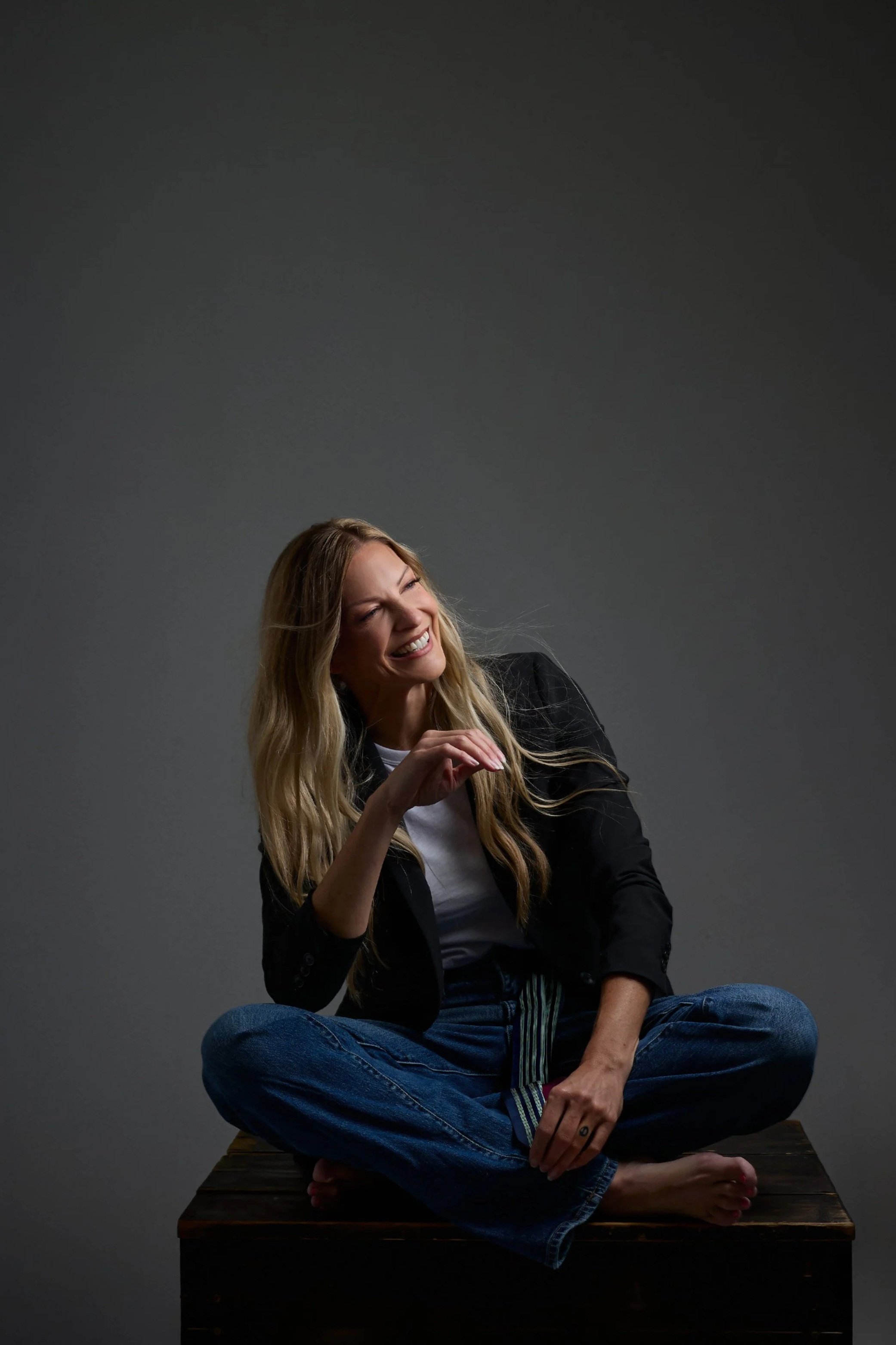
ABOUT TAMI
I didn’t find this work because I was looking for a new career. I found it because I needed answers.
I’ve spent much of my career working in mental health, education, counseling, and coaching. I knew the language. I knew the coping skills. I had done my own therapy. And I genuinely believed I understood the relationship between stress and health.
Then my own body changed the way I thought about all of it.
What began as pushing through a demanding life eventually became increasingly difficult to ignore. Sleep problems. Pain. Migraines. Tremors. Autoimmune illness. Autonomic symptoms. A body that seemed to be reacting in ways I couldn’t simply think, cope, or self-care my way out of.
I didn't need another reminder to manage my stress.
I needed a better explanation for what was happening—and a different way to work with it.
That search eventually changed both my health and the way I work with people today.
I had spent years helping other people.
Then I became the person searching for answers.
The brain. The body. The nervous system. Relationships. Emotion. Learned patterns. Physical health. Lived experience.
That intersection became the foundation of the work I do today.

THE FULL CIRCLE MOMENT
This work became personal long before it became professional.
My life isn't symptom-free. It isn't perfectly regulated. And I don't believe healing means reaching a place where your body never hurts, your nervous system never reacts, or life stops being difficult.
But my life is no longer organized around trying to prevent what my body might do next.
My Hashimoto's is well managed. The migraines, tremors, and autonomic symptoms that once consumed so much of my attention are no longer defining features of my life.
I work. I exercise. I travel. I eat really good food. I drink entirely too much coffee. I spend time with the people I love.
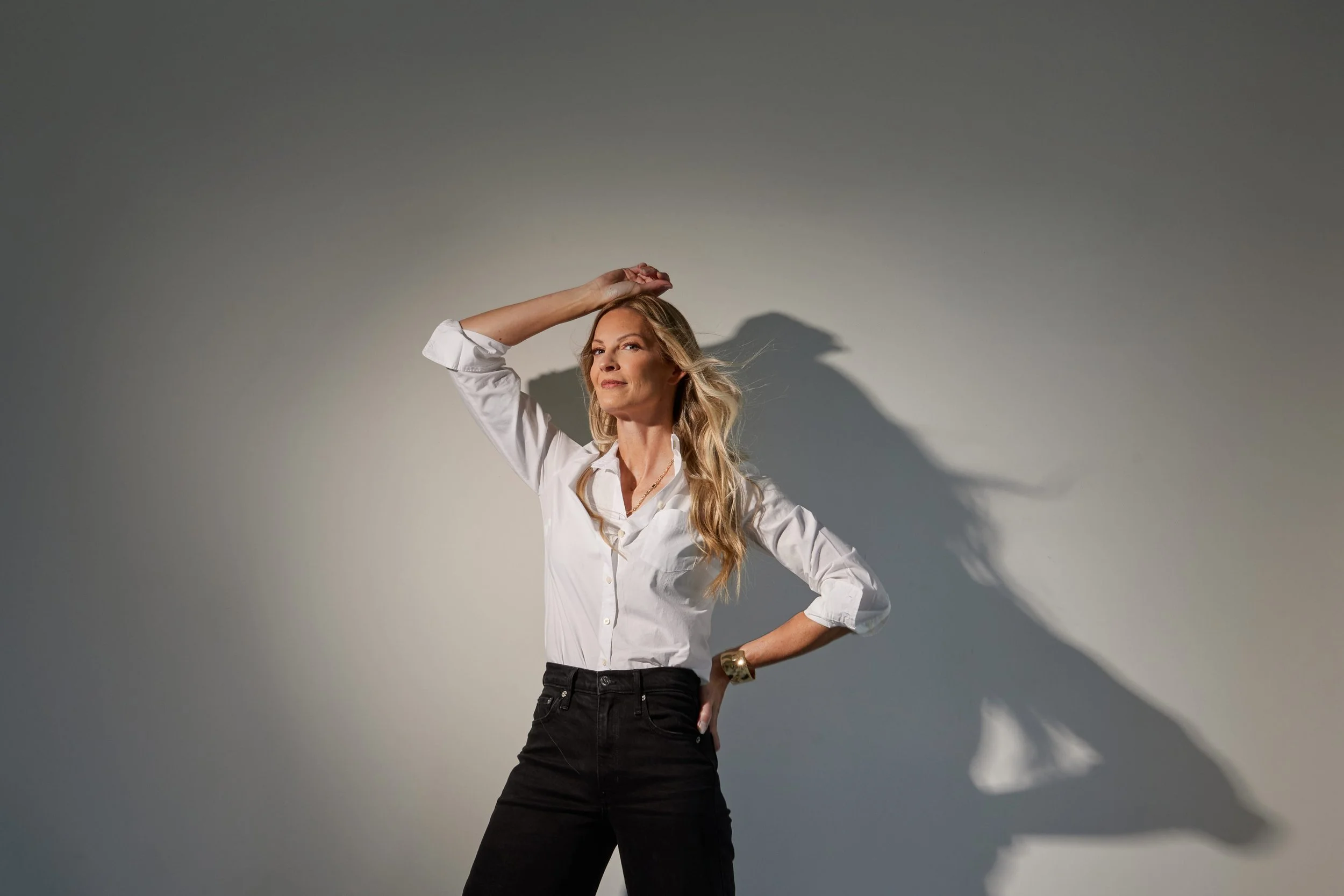
I have my life back.
And that experience profoundly influences the way I work with people.
I don't want to tell someone their symptoms are “just stress.” I don't want to give an intelligent person another list of coping skills they've probably already tried. And I don't want to promise that one approach explains every symptom or every person.
I want to look more deeply.
At what the mind and body have learned through experience. At the patterns that once served a purpose but may now carry a cost. At the psychological, relational, somatic, and neuroplastic pieces that can all be part of the same story.
Because what has been learned can also change.
The experience behind my unique approach.
My approach combines years of experience in mental health and education, graduate-level clinical training, and specialized study in somatic and nervous system approaches. I bring this foundation to coaching that is informed by research and grounded in the realities of each person’s life.
.01
Clinical Mental Health Training
Provisionally Licensed Mental Health Practitioner (PLMHP) State of Nebraska
Master of Science in School Counseling
Clinical Mental Health Counseling
Advanced graduate training in clinical mental health counseling
.02
Somatic + Brain-Body Expertise
Somatic Experiencing® Training
Somatic Experiencing International
Brain Health Professional Certification
Amen University / Dr. Daniel Amen
Certified Professional Life Coach
.03
Years of REAL-WORLD Experience
Background spanning counseling, mental health, education, and coaching, including six years as a high school counselor and continued clinical work with children, adolescents, adults, couples, and families.
A LITTLE LESS PROFESSIONAL
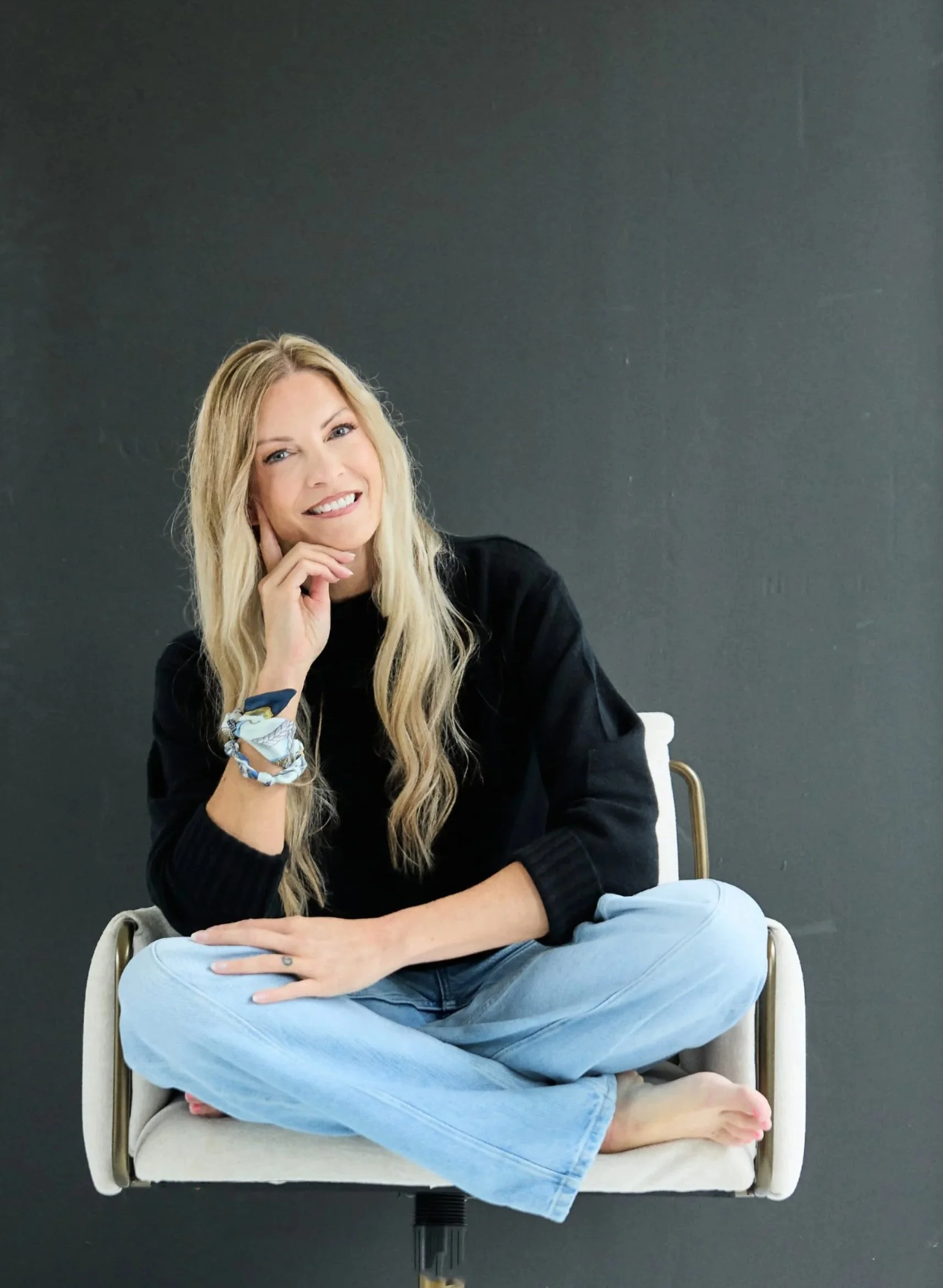
01
You can almost always find me wearing:
Black. Occasionally white. Apparently there are other colors.
Non-negotiable:
Coffee.
02
Outside of work:
Strength training and food. I will absolutely plan an entire weekend around where we're eating.
My idea of a great place:
A really good restaurant, a sophisticated coffee shop, or anywhere with good conversation and an atmosphere that makes you want to stay awhile.

03
What I'm probably reading about:
The brain, the body, psychology, trauma, neuroplasticity or whatever question I can't leave alone until I've researched it to death.
People who know me would probably say:
I'm serious, thoughtful, and usually willing to go deeper than the conversation probably required.

WORK WITH TAMI
If something in my story feels familiar, there are a few ways to begin.

1:1 Coaching
Individual mind-body and nervous system coaching for people ready to work more deeply with learned patterns of stress, protection, anxiety, and persistent symptoms.
The Course
A structured way to explore the science and practice of changing learned mind-body patterns on your own.
Articles
Research-informed writing about the mind-body connection, nervous system, somatic work, neuroplasticity, persistent symptoms, and the patterns shaped through experience.